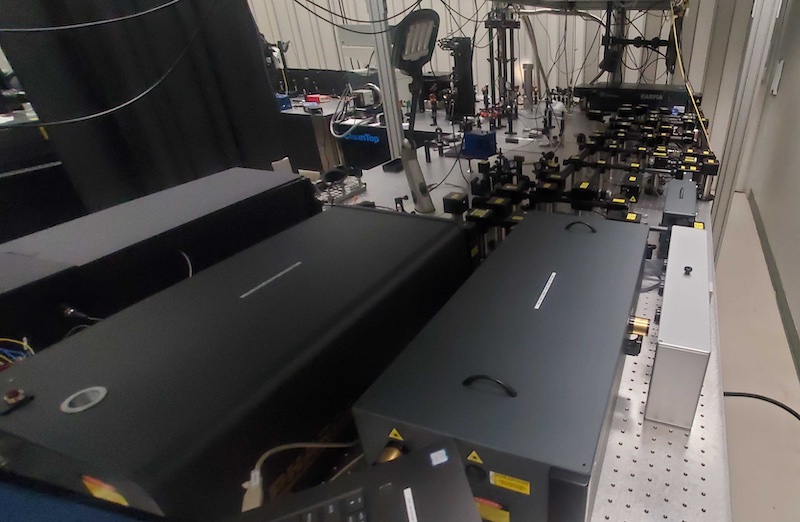
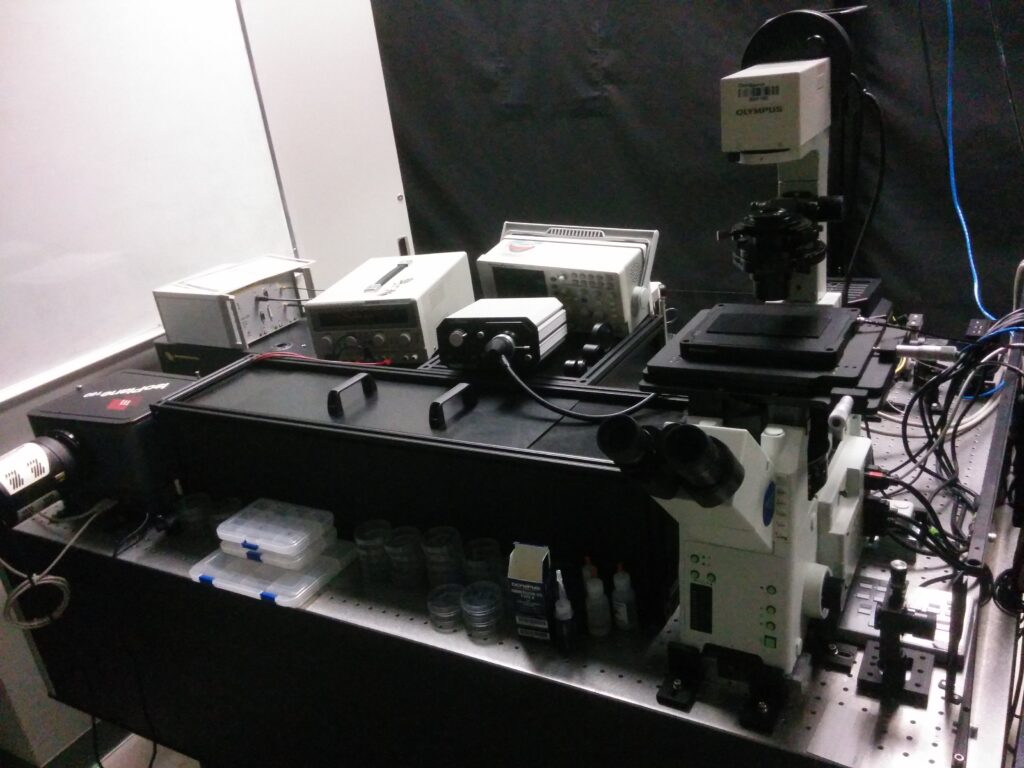
Advanced fabrication and characterization facilities are available to Consortium members and partners through the different institutions involved in the project.
ORGANIC SYNTHESIS
The Aspuru-Guzik group is equipped with unique self-driving chemical synthesis infrastructure including chemical reactors, robotic manipulation, in-situ characterization, etc.
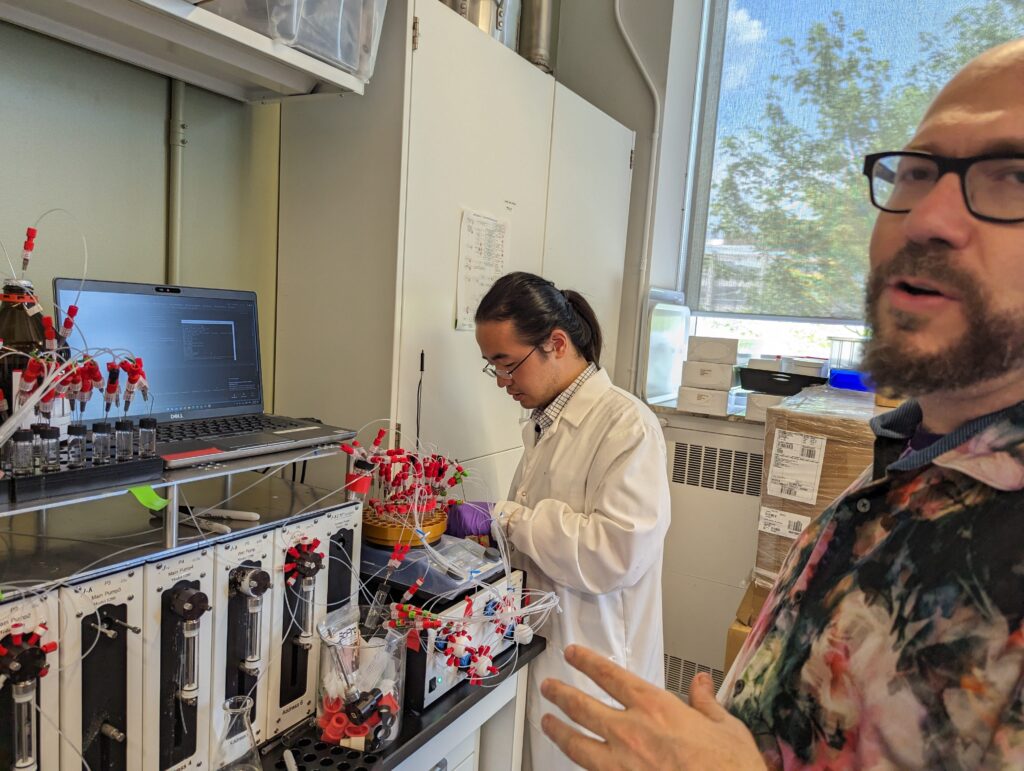


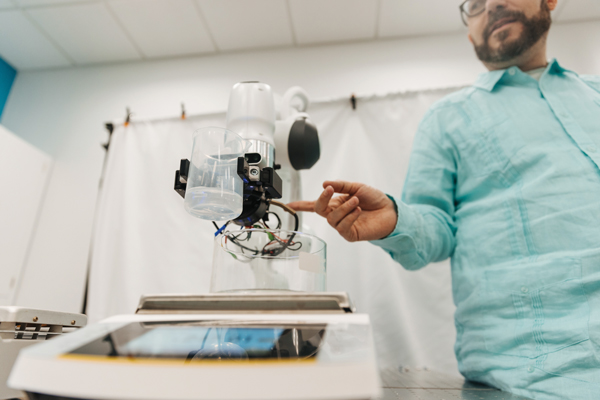
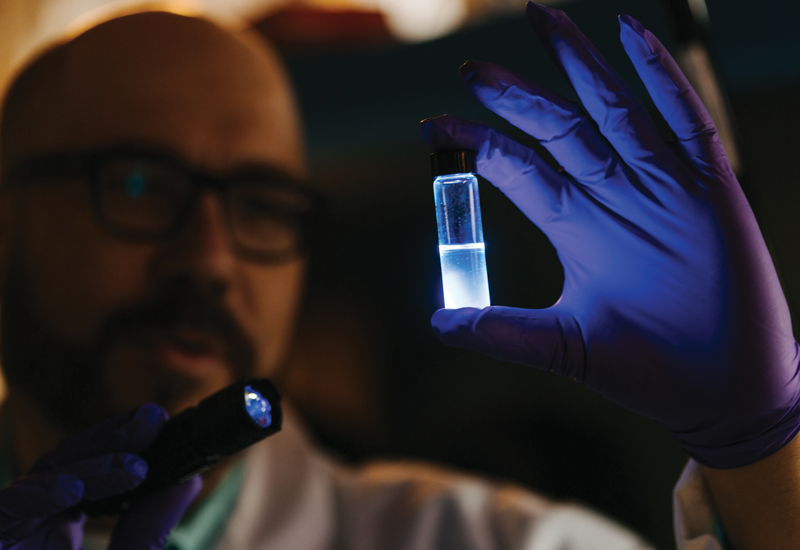

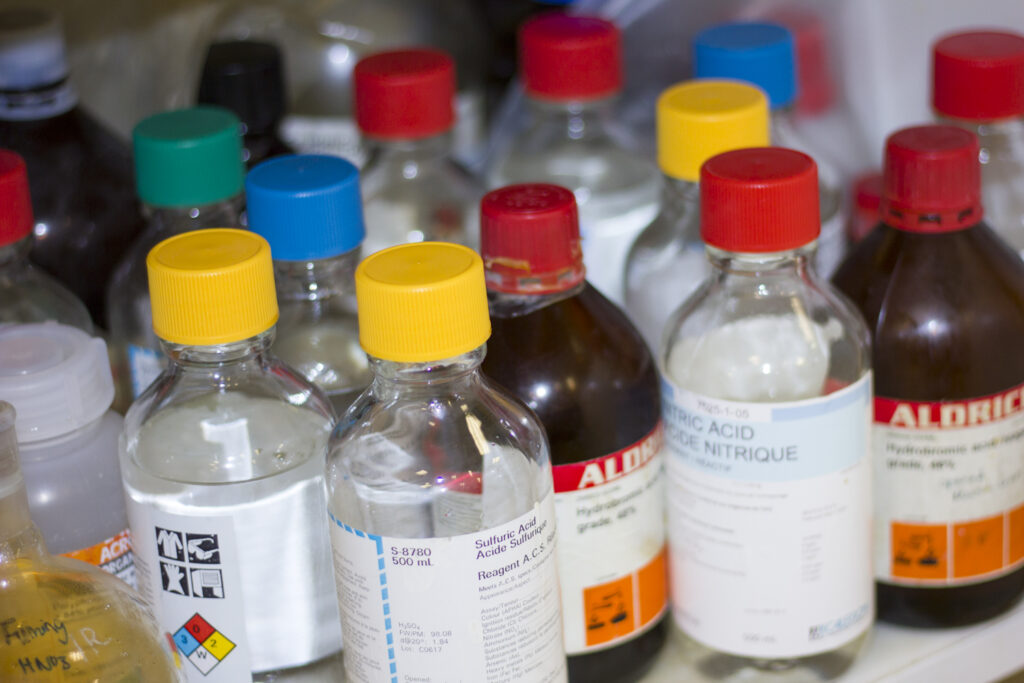
The Perepichka and Skene groups synthesize new compounds and have access to broad range of chemical synthesis and characterization equipment including multiple hoods, furnaces, rotovaps, centrifuges, sublimation setups, flash chromatography and wide range of spectrometers (UV-VIS, fluorescence, NMR/EPR, FTIR, etc.).



THIN FILM AND DEVICE FABRICATION
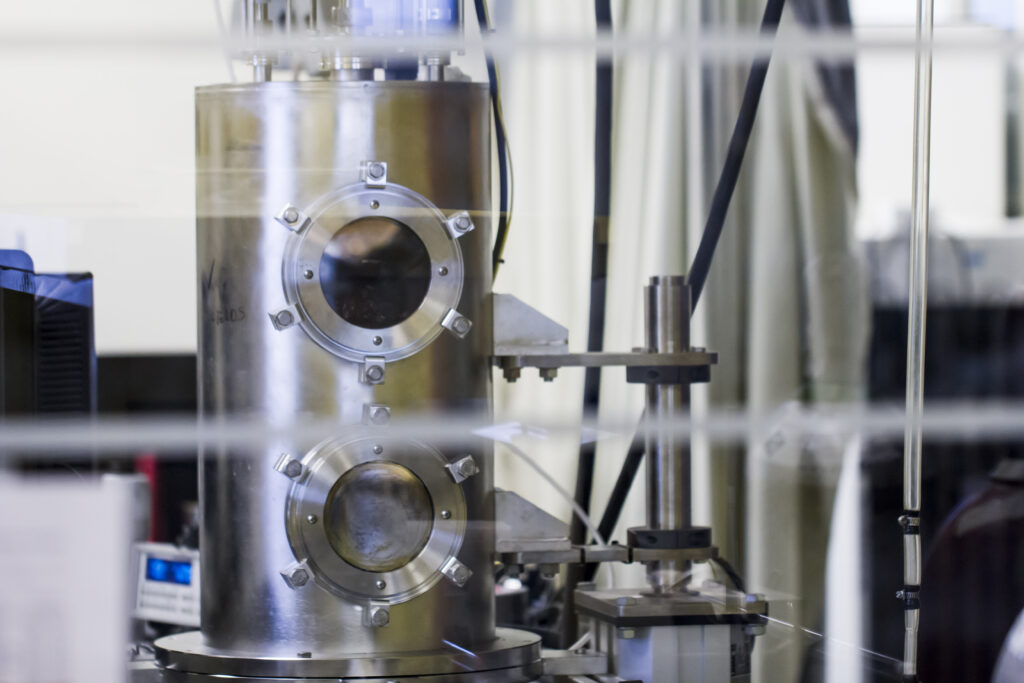
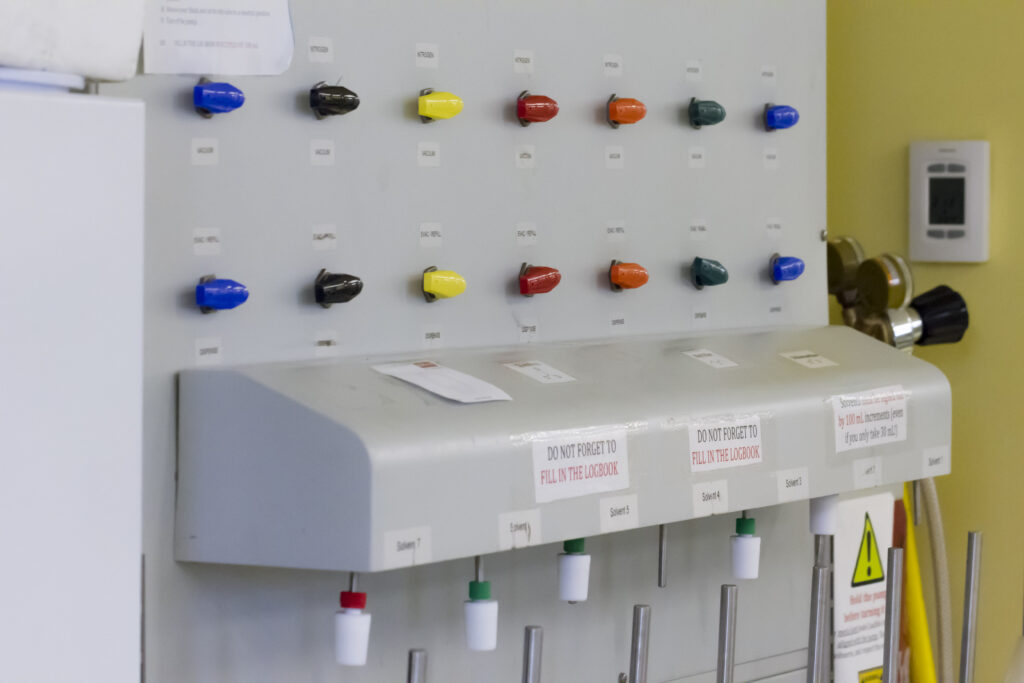
The Kena-Cohen group is equipped with extensive organic (and inorganic) thin film deposition infrastructure including a glove-box integrated 10-source thermal evaporator, an ultrahigh vacuum cluster deposition system, 3-zone gradient purification, atomic layer deposition, Langmuir-Blodgett deposition and 2D-material layer-by-layer assembly.


The Helmy and Kena-Cohen groups also use the extensive nanofabrication infrastructure (e-beam and photolithography, electron-beam evaporation, sputtering, reactive ion etching, plasma-enhanced chemical deposition, etc.) provided by the Toronto Nanofabrication Centre and the microfabrication Lab (LMF).

CHARACTERIZATION
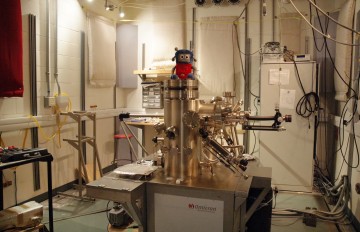
The Burke lab is equipped with several scanning tunneling and atomic force microscopy systems providing atomic resolution including the OmegaPod which is equipped with external optic.
The Kena-Cohen lab is equipped with optical spectroscopy tools to perform ultrafast spectroscopy down to 4K on a <30 fs timescale and microscopy down to the single molecule level.